Sanat İçin Yeni Bir Şey Değil, Benim İçin Yeni
Nothing New for Art but
It’s New for Me
Akasya Asıltürkmen, Mayıs 2014
“Tasavvuf düşüncesinin özünü oluşturan ve maddeden, maddesellikten sıyrılma, uzaklaşma, göğe yükselme, gökselleşerek tanrısal ülküye yaklaşma, hatta ulaşma duygusunu en iyi verecek anlatı malzemesinden biri, kuşkusuz kuşlardır. Kuşların, kırılmaz bir iradeyle, tüm güçlerini harcayarak yedi vadi, her birinin bir öyküsü olan ‘İstek’, ‘Aşk’, ‘Marifet’, ‘Hiçlik’, ‘Birlik’, ‘Hayret’ ve ‘Yok Oluş’ vadilerini geçmeleri gerekir. Ancak bu vadileri aşarlarsa amaçlarına, Kaf Dağı’nın ardındaki yol gösterici Simurg’a ulaşacaklardır. Sağ kalanlar O’na ulaşınca da Simurg’un bir yansımadan, bir aynadan başka bir şey olmadığını göreceklerdir; Simurg kuşların kendileridir, çünkü, Tanrı, kendisine ulaşmayı başaranların içindedir.” diye yazmış Hasan Anamur, yıllar önce Işıl Kasapoğlu’nun yönettiği Kuşlar Meclisi oyunundan bahsederken köşesinde.
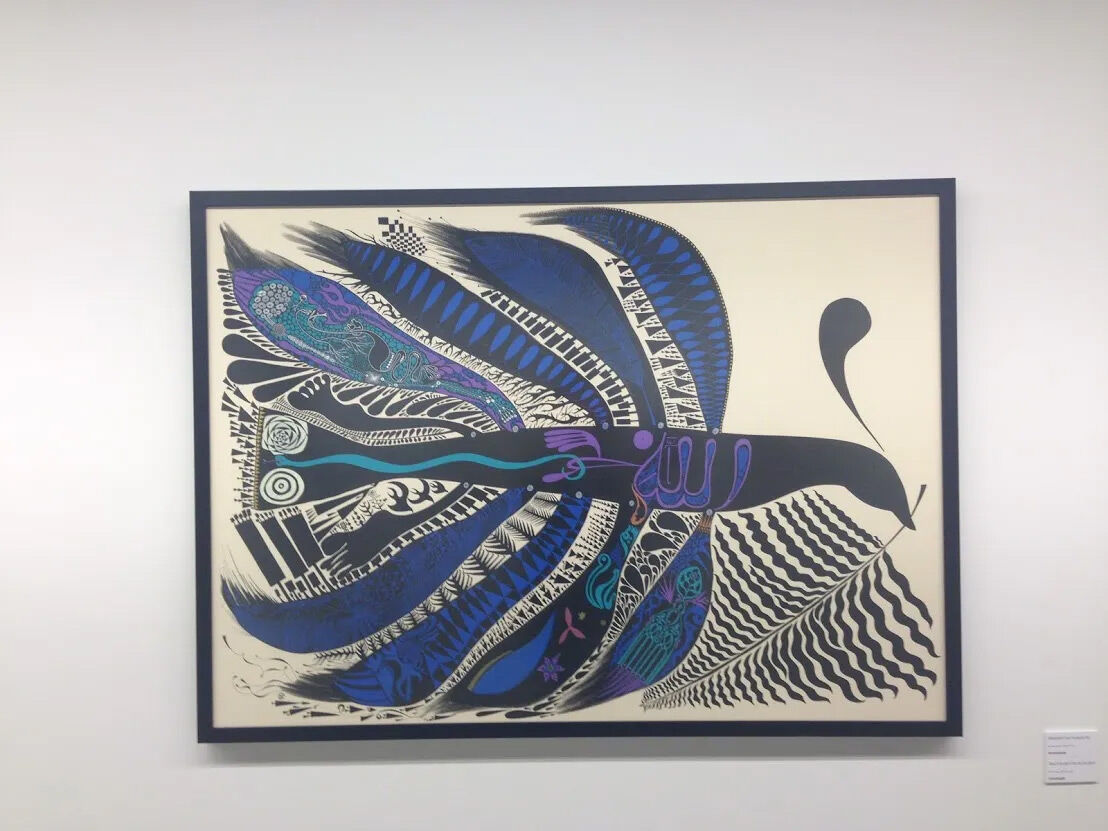
Memed Erdener’le ilk çarpışmamızda, yeni sergisi için kuşların içine daldığını farkedince, hemen önerivermiştim Simurg’un hikâyesini. Onun arayışıyla örtüşüyordu sanki. Yanılmamışım. Gökleri kuşlara, yeryüzünü yılanlara, aklı zekâya, George Orwell’i Fuzuli’ye, dışsal olan extramücadele’yi, içsel yani intramücadele’ye katıp, harikulade bir sergi hazırlamış. Mayıs sonuna kadar Galeri NON’da sergiyi ziyaret edebilir, Extramücadele’nin araladığı kapıdan içeri süzülebilirsiniz.
Extramücadele nasıl doğdu?
Eski hikaye. Yaptıklarımın altına adımı yazmak saçma gelmişti. Kendimle ilgili bir şey yapmıyordum. Etrafta görünenlerle, sorunlarla ilgili, provokatif, dogmalara dokunan, enerjisi yüksek, biraz grafik, yarı piktogram şekiller, hayaletler yapmaya çalışıyordum. Şeyleri bulundukları dünyalarından kopararak başka dünyalara bırakarak, mecralarını şaşırtarak, öbür dünyalar uydurmak, Frankenstein’lar yaratmak. Bunların hepsinin bir adı olsun dedim. Bu bir mücadeleydi, kağıt ve kalemle girişilen bir mücadeleydi. Bir arkadaşım önerdi “Bu yaptığın extra mücadele” o günden beri bu adı kullanıyorum. Bu sıralar bu isimden de sıkılmaya başladım.
“Extramücadele politik değildir” demişsiniz. Başlarda insanların ne düşünmesini istemiştiniz?
“Taraf değildir” demek istemişimdir. “Bir fikrin sözcüsüyüm, sizden yanayım, bakın bunları yapıyorum” dememeye çalıştım. Hep uyabildim mi bilmiyorum ama bıçaksırtı bir yerde durmaya çalıştığımı söyleyebilirim.
Sizin mücadeleniz nerede başladı?
Benim birkaç mektebim var, sırasıyla ailem, 90’ların güzelim mizah dergisi Deli, içinde mahalli olanın ne olduğunu öğrendiğim Hafriyat sanat grubu. Beş yaşında annem beni bir sergiye götürdü. Sergide büyük bir kedi resmi vardı, bayağı büyük. Hiperrealist, aşırı gerçekçi bir kedi. Tüylerine kadar ince ince yapılmış. Annem kediye dikkatlice bakmamı söyledi. Farkettim ki, kedinin beş ayağı var! Üzerinde günlerce çalışılmış bir kedinin nasıl olur da beş ayağı olabilirdi? Ressam hiç mi dikkat etmemişti. Sinir olmuştum. Annem “İşte sanat bu. Bilerek, isteyerek hata yapabildiğin bir şey” dedi. O an bir aydınlanma yaşadım sanırım. Annemi de bu hatırayı da çok seviyorum.
Sonra efsane Deli Dergisi’nde çalıştınız…
Bu haftanın kapağı ne olur, üçüncü sayfaya ne düşünelim derken nefis bir editoryal okul oldu Deli. Can Barslan, Gani Müjde, Metin Üstündağ, Kemal Kenan Ergen, Sencer, Tan Cemal. 21 yaşındaydım ve ilk evimin kirasını dergi sayesinde ödüyordum. 4 sene rüya aleminde geçti hayat. Fakat asıl sanat mektebim Hafriyat’tır. Murat Akagündüz, Mustafa Pancar, Antonio Cosentino, Hakan Gürsoytrak’tan bir çuval dolusu şey öğrendim. Ardından Hafriyat Karaköy’ü kurduk. Dolu sergi yaptık, eğlendik, heyecanlandık, paylaştık, hatalar yaptık, sahici bir halt yaşadık ve ayrıldık. Tam macera yani. Ardından 2010’da Galeri NON’la çalışmaya başladım, Derya Demir’le. Daha önce bir galeri geçmişim yok.
Boş bir kap gibi önce dolduruyorsun, sonra içindekileri akıtıyorsun. Mitolojik simge ve sembolleri sıkça kullanmışsınız…
Hayatı mitolojik hikâyelerle daha kolay anlıyoruz. Mitoloji onları resimselleştiriyor üstelik. Semboller oluşuyor, minyatürler, motifler… Motiflere hayranım. Yıldızlar, yılanlar, kuşlar… Kızılderililerde, azteklerde, hintlilerde, Anadolu’da her yerdeler. Formu anlam oluşturuyor. Bu şekilleri biraz da Jung okuduktan sonra izleyince düşünsel zenginlik başlıyor. Hayat, kitaplar, kalem ve kağıtla güzel. Aşkın ömrü bilgiyle uzuyor.
Kullandığınız materyaller çok çeşitli. Cam kırıkları, ahşap, plastik ve metal çatallar, eski fotoğraflar, gözlük camları, bastonlar… Maddeyle manevi bir ilişki halindesiniz sanki…
Bu sergi benim için farklı… Şimdiye dek çoğunlukla dışarı ile ilgilendim, devletin konuşma şekliyle, devlet adamlarının icraatlarıyla, propaganda için uydurdukları ucubelerle… Bu sefer input’ları değiştirdim. Duygular, eşyaların hissettirdikleri, manevi kavramların maddiyatla geçirgenlikleri, gündeliğin ve devletin yer değiştirmesi, Tanrı’nın gündelikleşmesi, devletin mistikleşmesi ilgi alanımı doldurdu. Eşyaların öbür dünyasını bulmaya çalıştım. Bu dünyadaki görünür anlamlarının dışına çıkmalarını istedim ve denedim diyebilirim. Sanırım daha eğlenceli bir dönem başlıyor benim için. Ayrıca eklemeliyim ki, demir ustası yetenekli insan Azat Demirer olmasa, bu sergi de olmazdı. Onun sayesinde eşyaları başka anlamları olan sanat objelerine dönüştürdük. Buradan Azat beye tekrar teşekkür ediyorum.
“Mutluluk Ancak Kabullenmeyle Var Olur” George Orwell…
Resimlerin ve heykellerin isimleri George Orwell, Fuzuli, Italo Calvino ve genç şair Müge Weigl’dan. Okuduğum, aklımda kalan cümlelerin üzerine işler yapmaya çalıştım. Bazen yaptıklarımın üzerine o cümleler düştüler. Serginin ses tasarımını Ece Canlı yaptı. Sesiyle sergideki işleri birbirine bağladı. Onun görünmez teğeller atma kabiliyeti var. 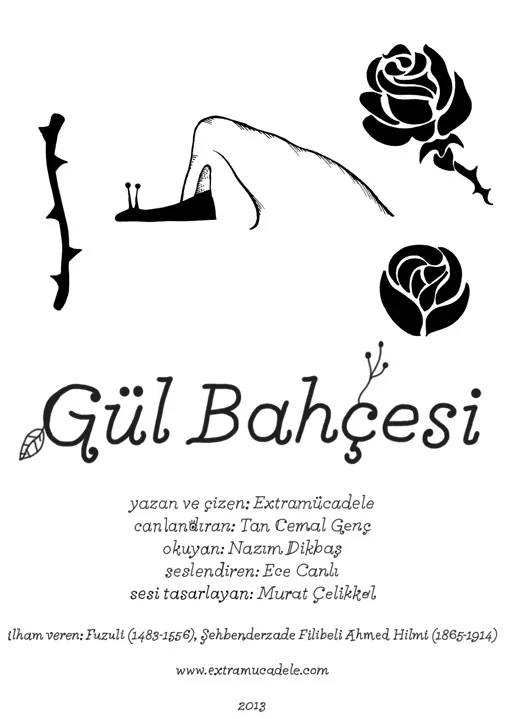 Gül Bahçesi isimli kısa filme de mucizevi dokunmuştu.
Aslında serginin adı ‘Bana değil, benim içimden öteye bak’tı. Bu cümleyi düşünerek yaptım resimleri, heykelleri. McLuhan’ın kitabında okumuştum. ‘Gotik mimaride ışık insanın ya da eşyanın üzerine düşmez, içinden geçer. ’ Bu sergiyle ben de “bakın işte size şu sorunu gösteriyorum’ değil de, ‘ben bir şey yaptım, siz buna bakın ve buradan istediğiniz yere gidin’ demek istedim. Bu sergiyle ilgili söyleyeceğim en önemli cümle belki de bu. Kapıdan bak istediğin yere git. Tabii ki bu sanat için yeni bir şey değil, benim için yeni bir şey. Sonra açılışa iki gün kala serginin adını değiştirdim:  Gökyüzünde Tanrı Yok Kuşlar Var oldu. İyi de oldu.
“There is no doubt that birds are one of the most suitable elements of narrative to transmit the sentiment of approaching, and in fact, reaching the divine ideal by shedding, departing from the material world and materiality, ascending and becoming celestial – this is the essence of the thought of tasawwuf. The birds have to exert all their strength with unbreakable will to pass through the seven valleys, the valleys of ‘Quest’, ‘Love’, ‘Knowledge’, ‘Detachment’, ‘Unity’, ‘Wonderment’ and ‘Annihilation’ and each has a story. Only if they pass through these valleys will they reach Simorgh, the guide that is on the other side of Mount Qaf. When those who survive reach their destination, they see that Simorgh was nothing but a reflection, a mirror; Simorgh was the birds themselves, because God is inside those who manage to reach God” wrote Hasan Anamur many years ago, when discussing The Conference of the Birds, a play directed by Işıl Kasapoğlu.
When we first met with Memed Erdener and I realized that he was exploring birds for his new exhibition, I immediately recommended the story of Simorgh. It seemed as if it overlapped with his quest. I was not mistaken. He has prepared a wonderful exhibition, joining the skies with birds, the earth with snakes, the mind with intelligence, George Orwell with Fuzuli, and the external extrastruggle with the internal intrastruggle. You can visit the exhibition at Gallery NON until the end of May and slip through the door that Extrastruggle has left open.
How was Extrastruggle born?
That’s an old story. It felt absurd to write my name under the things I was doing. I wasn’t doing something about myself. I was trying to do something about what I saw around me, about problems, something provocative that touched dogma, had high energy, with some graphic design, shapes that were semi-pictograms, ghosts. To severe things from the worlds they exist in and release them into different worlds, to startle their media, make up other worlds, create Frankensteins. I wanted all this to have a name. This was a struggle, a struggle carried out with pencil and paper. A friend of mine commented, saying, “What you are doing is an extra-struggle”, and since then, I have used this name. Yet now I find myself a bit bored with this name.
“Extrastruggle is not political” –that is what you once said. What did you want people to think?
I must have meant, “I am impartial”. I have tried not to say, “I am the spokesperson of an idea, I am on your side, and look, this is what I do”. I don’t know whether I have managed to stick to that, but I can say that I have tried to maintain my position on a knife’s edge.
Where did your struggle begin?
I have a few schools, they are, respectively, my family, the great humour magazine of the 90s, Deli, and the Hafriyat art group, within which I learned the meaning of the local. I was five years old when my mother took me to this exhibition. Three was a large painting of a cat at the exhibition, really quite large. This was a hyperrealist cat. Finely painted, right down to every hair of its fur. My mother told me to take a close look at the cat. Then I realized that the cat had five paws! How could a cat, into which so much work had gone for days, have five paws? Was this painter not paying any attention at all. I was annoyed. Then my mother said, “That is what art is. A place where you can willingly, deliberately make mistakes”. I think I had a moment of enlightenment right there. I love my mother and that memory very much.
Then you worked at the legendary Deli magazine…
What to put on the week’s cover, what to feature on page three, Deli was a wonderful editorial school. Can Barslan, Gani Müjde, Metin Üstündağ, Kemal Kenan Ergen, Sencer, Tan Cemal. I was 21 years old and I was paying my rent thanks to the magazine. Four years went by like a dream. But my real school of art is Hafriyat.
I learned a whole bagful of things from Murat Akagündüz, Mustafa Pancar, Antonio Cosentino and Hakan Gürsoytrak. Then we founded Hafriyat Karaköy. We did a load of exhibitions, had fun, got excited, shared, made a lot of mistakes, experienced something real and went our separate ways. In other words, a real adventure. Then, in 2010, I began to work with Gallery NON, with Derya Demir. I hadn’t worked with a gallery before.
It is like an empty vessel, you first fill it up, then pour out its contents. You have frequently used mythological signs and symbols…
Mythological stories help us understand life easier. Mythology also renders them pictorial. Symbols, miniatures and patterns take shape… I am in awe of patterns. Stars, snakes, birds… They are everywhere, in the mythologies of Native Americans, Aztecs, India, Anatolia. Meaning shapes form. When one looks at these fırms, after having read a bit of Jung, too, then the richness begins. Life is beautiful with books, pencil and paper. Love lasts longer with knowledge.
You use a great variety of materials. Broken glass, wood, plastic and metal forks, old photographs, lenses of eyeglasses, walking sticks… It appears as if you have a spiritual relationship with objects…
This has been a different exhibition for me… Up until now, I was generally interested in the outside, in the way the state addressed the people, the practices of statesmen and the nonsense they made up for propaganda… This time I changed the input. My field of interest was filled with sentiments, what objects made me feel, the permeability of spiritual concepts regarding materiality, the everyday and the state swapping places, God becoming everyday and the mystification of the state. I tried to find the other world of objects. I wanted them to go outside their visible meanings in this world, I experimented with that. I think I more entertaining period is beginning for me. I must also add that if it wasn’t for the talented ironsmith Azat Demirer, this exhibition would not have been realized. Thanks to him, we transformed objects into objects of art, with different meanings. I would like to take this opportunity to thank Mr. Azat once again.
“Happiness can exist only in acceptance”, George Orwell…
The titles of the paintings and sculptures are from George Orwell, Fuzuli, Italo Calvino and the young poet Müge Weigl. I tried to create works departing from sentences I read, sentences that had stuck in my mind. Sometimes, those sentences fell upon the works I made. The sound design of the exhibition was created by Ece Canlı, combining the works in the exhibition. She possesses the ability to tie things together with invisible stitches. She executed her miraculous touch in my short film Rose Garden as well.
Actually, the name of the exhibition was ‘Don’t look at me, look through me to see beyond’. I had that sentence in my mind when I made these paintings and sculptures. I read it in McLuhan’s book, ‘In Gothic architecture light does not fall on people or objects, it passes through them.’ So with this exhibition, I, too, wanted not to say, “look, I am showing you that problem there”, but to say, “I have done something, look at it and go wherever you wish from here”. That is perhaps the most important sentence I can say about this exhibition. Take a look through the door and go wherever you wish. That, of course, is nothing new in art, but it’s new for me. Then I changed the name of the exhibition two days before the opening: There Is No God In The Sky Only Birds. And I think it was good that I did.