İstanbul’dan Kalma
Kafalara İksir
An Elixir for Hangovers from Istanbul
Evrim Altuğ, Nisan 2019
Studio-X, yerel seçim, havaalanı taşınması ve bahar yorgunu İstanbul’u, bir şair ile bir görsel sanatçının refakatiyle yeniden keşfe açık hale getirdi. Kafası sürekli güzel bu kadim kentin sekiz semtinden toplanan edebî ve plastik ‘fenomen’ler, 8 Mayıs’a dek, 24 saat açık bir işkembeci iksiri gibi, meraklısını bekliyor.
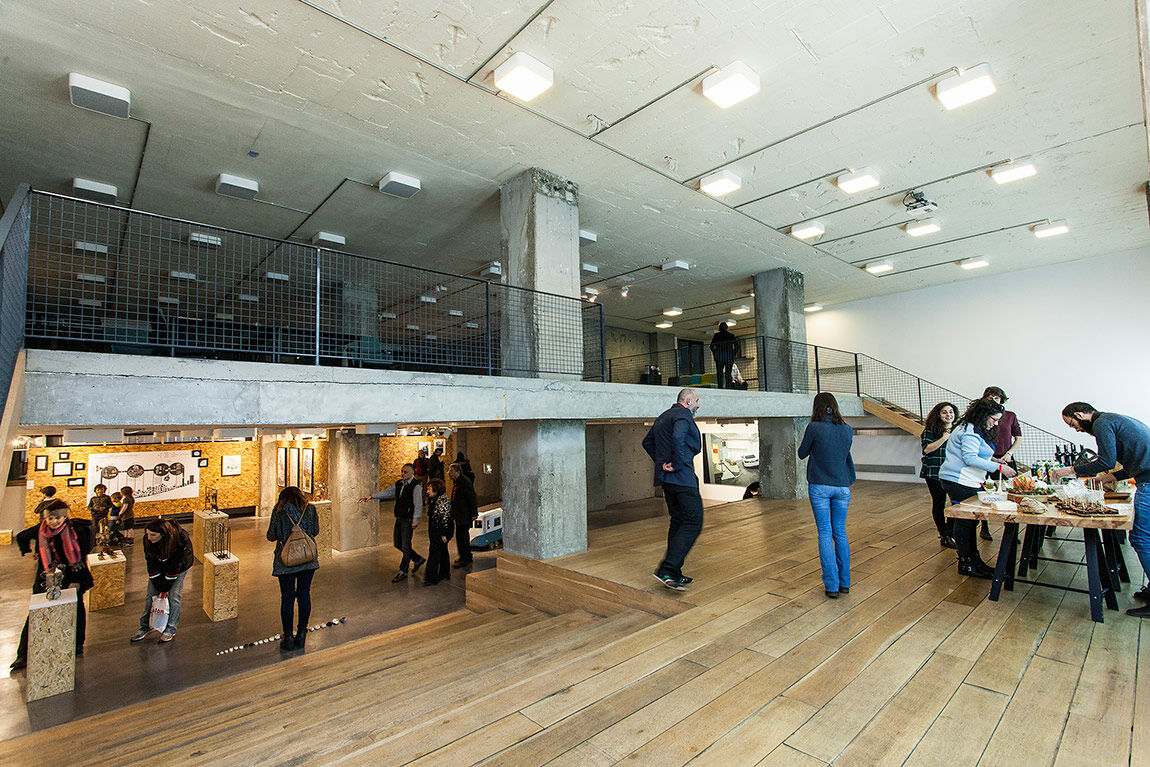
Halen oy sandıklarında bile paylaşılamayacak kıymetteki, bir ekmeğin iki yarısı, ekmek arası Boğaz derdindeki İstanbul’un kadim semtlerinden Kabataş’taki ‘Studio-X’teyiz. Burası, yapımı—ve yıkımı ile de—bir şaibeye dönüşen ‘Martı İstanbul’ – Galataport bölgesinin neredeyse karşısına düşüyor.
Kurum, ABD New York’daki Columbia Üniversitesi Mimarlık Fakültesi desteği ile, bu okulun Koruma ve Planlama Birimi’nin öncülüğünde, ilgili disiplini diğer ‘aktif’ konu maddeleri ile irtibata geçiren meraklı ve eleştirel projeler yürütüyor.
Aslında orası da bir tür şantiye. Ama beyinlere, sabır ve merakla, bilimsel bir kuşkuculukla berrak yeni dünyalar ekiyor. Kütüphanesi ve konferans ile sunum alanlarıyla, alternatif bir dünya için alternatif bir kampüs havası üreten, rantiye değil, gelecek şantiyesi olmaya meyilli bir yer; Studio-X. Dünyalı müşterileri, açık olduğu gün ve saatlerde, yedi düvelden İstanbullu komşularını sessiz sedasız bekliyor. Hani âmiyane tabirle, ‘acayip kitaplar var,’ gidin çalın diyeceğim. Güvenlik, bırakmıyor.
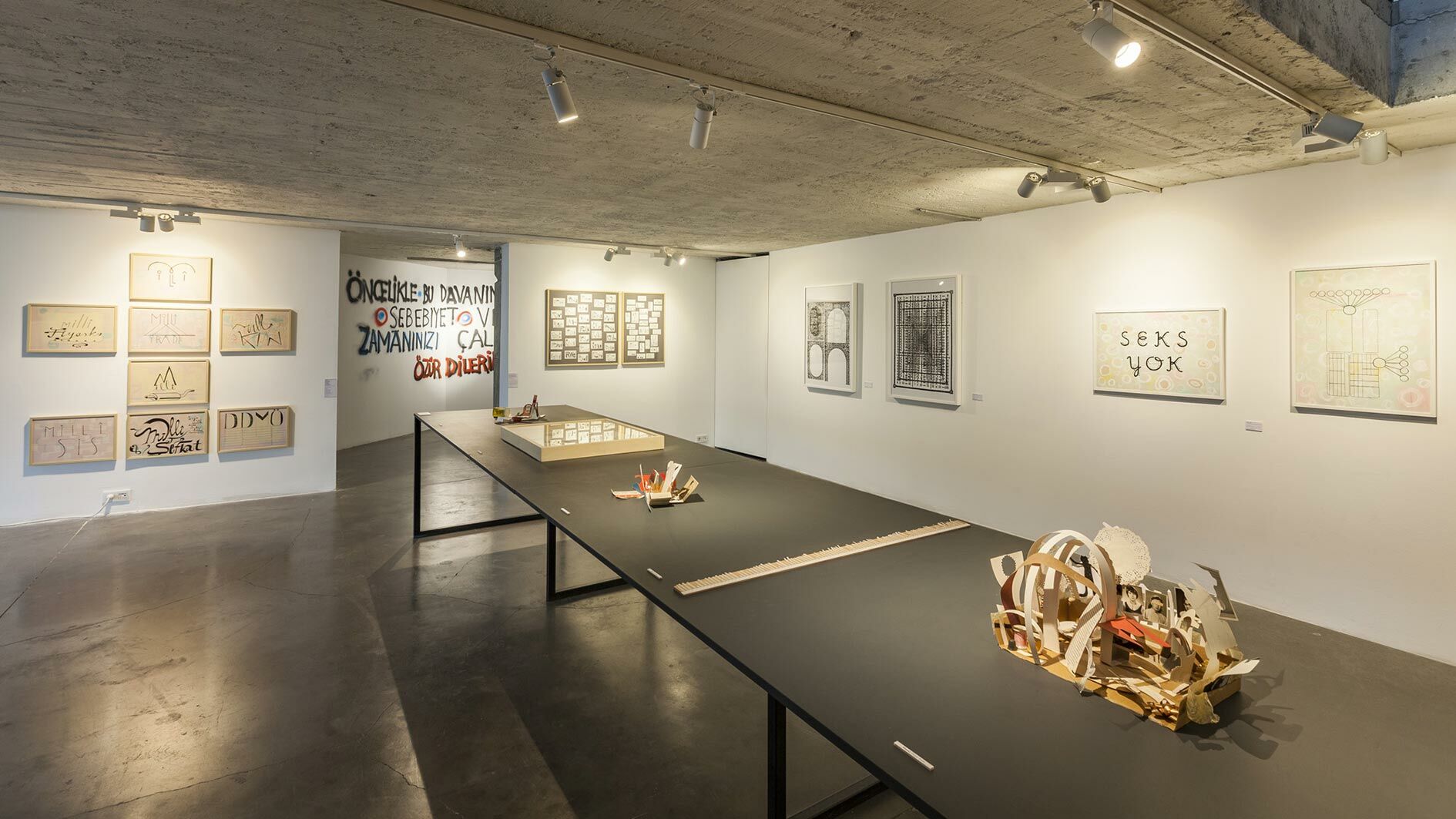
Türkçe meali ile ‘Atölye İks’, bu kez de, yine ‘kaz kaz bitmeyecek’ bir sergiyi, son yerel seçimler ve havalimanı taşınması operasyonu vesilesiyle Türkiye’nin bitmek bilmez ilgi ve polemik kaynağı İstanbul’u yeniden merkezine aldığı ‘ Birbirimizi Hak Edecek Kadar Kötüyüz’ projesini 9 Mayıs’a dek izleyici ve katılımcıların ilgisine sunuyor.
Nicelikteki bereketini, nitelikteki nezaket ve derinlikle eşgüdümlü kılmaya çalışan, koridorlarının tam ortasında, Gezi iddianamesine dair iddialı, ürkütücü ama dobra bir kara delik açan sergi, geriye baktığımızda yine aynı çatı altında açılmış sevgili Antonio Cosentino ve Extramücadele imzalı ‘ Anne Ben Beton Dökmeye Gidiyorum’ sergisinin de ‘dedektifçilik’ ruhuna sahip. Zaten bu sergiyi gezdiğiniz esnada, bu etkinliğin yayını ile başka sürprizleri de bulabiliyorsunuz. Hatırlanacağı gibi, Ali Gün Yıldırım’ın şiirleri, Nâzım Dikbaş’ın sorularıyla zenginleştirdiği 2015 tarihli çalışmada, Gezi direnişi – hareketinin ve İstanbul’un görünmez (ya da görünmemesi için elden gelenin yapıldığı) organik belleğine yönelik, plastik ve hazır yığın çıkışlı bir keşif teşhiri yaşanmıştı.
İşte, bu yeni sergide de, Extramücadele takma ismini geride bırakmayı tercih ettiğini vurgulayan Erdener’in, şair Cihat Duman ile çıktığı İstanbul gezisinde oluşturdukları ‘fenomenler’ yer buluyor. Fenomenler tabiri tamamen ikiliye ait.
Bu noktada Erdener’in kendisiyle özdeş bu takma isimden niçin uzaklaştığını, ilgili yayının arka kapak yakasında belgelediği gibi, yine kendisinden işitmek, (güncel) sanat tarihsel çizgiyi doğru koyabilmek adına uygun olabilir:
“1997’den beri Extramücadele ismini kullanarak sanat ile meşgul oluyordum. O vakit 27 yaşındaydım. Bana heyecan verecek, beni dış âlemden koparacak , her masaya oturduğumda beni kırbaçlayacak bir Lou Salome yaratmak istemişim. Yaratmışım da: Bir kadın Frankenstein idi Extramücadele. Bu sadist kadının beni çalıştırma usullerine âşık olmuştum. Entelektüel bir ihtiras ile her yanım morarmış ve kanamıştı. Yüzümdeki çizgilerin rastgele değil de, böyle bir aşk ile oluşmasını istemişim diyelim. Fakat seneler içinde, kırbaç ve aşkın ihtirası söndü. Ayrıca mücadele kelimesi kendi içinde büyük vaatler barındırıyor ve bu artık canımı sıkıyor. Ama hâlâ ikimizin arasında büyük emek harcayarak tertip edilmiş kestirmeler var. Bu ara, sokaklarda korkusuzca gezinmenin tadını kim bilebilir?”
Sergiye dönecek olursak, tıpkı üç sene önceki gibi bir kalite ve belgesellikle üretilen bu kitap/katalog ile teşhiri içinde, ikilinin, yine üzerine tek kelime eklenmeye gerek kalmamış önemli bir proje sunumu metni yer almakta. Gelin hadi, onu da okuyalım:
“Burada, arkasından konuşulması mümkün olmayan bir şehirle yüz yüze konuşmaya geldik. Algının ân’ı, belleğin ise ‘imge’yi getirdiğini bildiğimizden fotoğraf çekmedik. Biz imgeyi seçiyoruz. İçimizden, hüzünlü, mırıldanarak dertleşiyoruz. Güzelliğinden bahsediyor, bir tebessüm-i elem armağan ediyoruz tarihine. İnsan, kent ve sanat arasındaki uçurumlar bizim kurduğumuz fâni köprülerle kapanıyor. Yağmur yağıyor üzerimize, saçlarımıza, omuzlarımıza; kaldırımlara aksediyor siluetlerimiz. Kapılardan geçiyoruz bir hızla ve geçemiyoruz kapılardan başka bir hızla. Güneş gülüyor bize çatılardan azar azar. Önce delil topluyoruz, sonra karartıyoruz onları. Harfler yetmeyince çizgileri, çizgiler yetmeyince bedeni kullanıyoruz. Arkasından konuşulması mümkün olmayan şehri konuşuyoruz şehirlilerle, şehirde. Duvarlarda, mektup kâğıtlarında, sütlaç gibi olan tatlının kaymaklı yüzeyinde ve diğer yüzeylerde. İçimizden konuşuyoruz, içinizden konuşmanız yankısız kalmasın diye.”
‘Birbirimizi Hak Edecek Kadar Kötüyüz,’ sergisinin kendini bir diğer tarifi de şöyle: “İstanbul’un sekiz farklı semti için, Cihat Duman’ın sekiz farklı edebî türde yazdığı sekiz kısa yazı ve Memed Erdener’in yazılar için sekiz farklı mekânsallaştırması.”
Bu sergiye özellikle de gezici ideolojik diskoların sokaklardan temizlendiği günlerde gitmek, hiçbir işe yaramamış çok büyük bir eğlencenin ardından, kafanız kıyak biçimde, çok meşhur, eski bir işkembecide buluşarak, neler olup bittiğini anlamaya çalışmaya benziyor.
Sergideki her bir yapıt, bir parça ekmek, bir kaşık sirke, azıcık sarımsak, bolca kekik ve tuz kadar samimi, değerli, değerli, değerli. Duman’ın kelimeleri, Erdener’in kentte kaynattığı imgelere gayet kıvamında bulaşıyor. Ürettiği keyifli, neredeyse rehabilite edici el ve kelime işçiliğiyle, İstanbul’dan kalma kafalara iksir kıvamındaki bu sergide de, Cosentino – Extramücadele ikilisinin dört yıl önce çıktıkları o çocuksuluğuyla samimi ‘İstanbul keşif turu’nun izinden gidiliyor.
Hani derler ya, sen kazan, ben kepçe, işte İstanbul çorbasının tadından, bu sergide yenmiyor. Dahası, serginin bir de misafir sanatçısı, ‘yolda yeni tanışılan bi arkadaş’ı daha var: Yani lütfen, Turgut Çırpanlı’nın İstanbulkart kullanarak sekiz semt üzerinden yaptığı yorumlara, sergide özellikle dikkat edilmesi rica olunur, diyelim.
Bunun yanı sıra, Erdener ve Duman ikilisinin ‘Mektup’, ‘Makale’, ‘Masal’, ‘Oyun’, ‘Haber’ ve ‘Biyografi’ gibi ‘bitişik’, ortak yapıtlarıyla kalmıyor; Studio X’teki sergi. İkilinin tekil olarak neler yaptığına dair bonkör deliller ortaya koyuyor. Erdener’in bu kez modern olanı önceleyen, ona saygıyla, selâm veren metin-imgeleri, Duman’ın T.C. Anayasası’nı feyz alarak Studio-X’i kamusal bir alana evrilttiği yerleştirmesi, ya da yine Duman’ın, sanat tenkitçiliği müessesesi ve göstergebilimin ipliğini pazara çıkarttığı acı eleştiri soslu ‘fake news’ videosu ile, Gezi’ye kopkoyu selâm çaktığı ‘Suç ve Ceza’ yerleştirmesi, serginin idrak ‘mesele’leri arasında en başa güreşiyor. Erdener de, görsel ve içeriksel çok sesliliğini İstanbul ile bölüştüğü sergide, diyelim ki sekiz semt için ‘rindler ve Allah’ temasını bir yandan, tığ gibi kâğıtlara işlerken, öte yanda ‘millî’ kavramına da yine bu sekiz semt üzerinden türlü grafik tercümeler yapıyor.
Erdener ile Duman’ın sergileri fiziksel ve basit (öz) sınırlamalar üzerinden, üslûp ve kalitede, plastik ve kavramsal iletişim ve empatik sınırsızlığın sınavını, kamuoyu önünde şeffafça veriyor. Türkiye sanat ortamında sıkça şikâyet edilen ‘disiplinler arasılık’ meselesine, sokağa çıkmış iki çocuk samimiyetinde, pratik önerme ve tecrübelerle yanıt veriyor.
Peki, tamam, gezdin gördün; şu İstanbul’a sonunda ne oluyor diye soracaklara ise, kişisel olarak vereceğim yanıt şu olurdu sanırım: Metni imgeye, imgeyi metne düşürüp dönüştüren bu kuşkucu, verimli, kesinlikle ayıltıcı ve samimi sergide, bence en çok da Can Yücel ve Ece Ayhan geziniyor. Onlara Cihat Burak ve Mengü Ertel ile nice kalem ve fırça en serbest çağrışımlarla refakat ediyor. Gerisi, her izleyicinin kişisel hafıza ve izlenimiyle, içeriye doluşuyor doluşuyor…
Exhausted following a local election, the transportation of the airport and the onset of spring, Studio-X, accompanied by a poet and a visual artist, has made Istanbul a place open to discovery once more. Literary and plastic ‘phenomena’ collected from eight neighbourhoods of this ancient city, which is permanently high, expect their curious viewers until 8 May, like a 24-hour-open tripe-shop-elixir.
We are at Studio-X, in Kabataş, one of the ancient neighbourhoods of Istanbul, a city of two sides, like a bread cut half through the middle, so precious that it cannot be shared at ballot boxes. This place is opposite the strip that includes the ‘Seagull’ project and the Galataport project, which have caused controversy with their construction –and demolition.
This institution, with support from the Columbia University School of Architecture in New York, USA, and under the leadership of the Planning and Preservation unit of this school, carries out interesting and critical projects that brings the related discipline into other, ‘active’ subject matter.
In fact, this place is a construction site, too. Yet it adds lucid new worlds to brains through patience and curiosity, and scientific scepticism. With its library and conference and presentation spaces, Studio-X is a place that creates an alternative campus atmosphere for an alternative world, thus not a rentier, but the construction site of the future. It silently expects its customers that inhabit this earth, at the days and hours it is open, and its neighbours from Istanbul that come from the seven seas. I would egg you on to go and nick the wonderful books they have, alas, there is security.
To give it a Turkish twist, ‘Atölye İks’ now presents, until 9 May, to its viewers and participants a project titled ‘We Are Bad Enough To Deserve Each Other’, an exhibition that keeps giving more the more you dig at it, which once again focuses on Istanbul, Turkey’s inexhaustible source of interest and polemics, and most recently for its local elections and its airport moving to its new site.
This exhibition tries to coordinate its abundance in quantity with the grace and depth of its quality: In the precise middle of its corridors, an ambitious, frightening yet candid black hole featuring the bill of indictment of the Gezi case has been opened. Looking back, this exhibition shares the investigative spirit of the ‘Mom I’m Going Out To Pour Some Concrete’, held under the same roof, and created by beloved Antonio Cosentino and Extrastruggle. Going around that exhibition, after all, you also discovered further surprises in the event’s publication. As you recall, that 2015-catalogue, enriched by Ali Gün Yıldırım’s poems and Nâzım Dikbaş’s questions, presented us with a discovery of the invisible (or forcibly concealed at all costs) and organic memory of the Gezi resistance-movement and Istanbul.
And so, in this new exhibition, there are phenomena formed by Erdener, who emphasizes that he prefers to leave behind the pseudonym Extrastruggle, and poet Cihat Duman, during their trip across Istanbul. The phrase ‘phenomena’ used here belongs entirely to the duo.
At this point, it may be appropriate to lend an ear to Erdener to understand why he has distanced himself with this pseudonym that has become synonymous with him, with the statement he documents on the back cover of the relevant publication, in order to properly establish (contemporary) art historical line of progress.
“I have been involved in art since 1997, using the moniker “Extrastruggle”. I was 27 then. I had wanted to create a Lou Salomé who would enthral me, tear me away from the outside world, and whip me every time I took my seat at my desk. And I did: Extrastruggle was a female Frankenstein. I had fallen in love with the methods this sadist woman applied to make me work. I had turned black and blue all over, taken over by an intellectual passion. Let’s say I had wanted the lines on my face to deepen not randomly, but by involvement in such an affair. Yet the passion of the whip and the love affair faded over the years. Besides, the word struggle contains high promises, and this now bothers me. However, there are still many short-cuts we have set up, devised with great labour. Who could know the pleasure of fearlessly wandering their side-streets?”
Returning to the exhibition, this book/catalogue, produced at the same high standards and approach to documentation as three years ago, features the important project presentation text of the duo which does not require the addition of a single word. So, come, and let us read that as well:
“We are here to talk face to face with this city, it is impossible, after all, to talk behind its back. We did not take photographs, since we knew that perception brings the ‘moment’ in its wake, and memory brings the ‘image’. We opt for the image. We pour our grief out to each other, silently, in melancholy, mumbling. We talk about its beauty, and we gift a sorrowful smile to its history. Chasms between people, the city and art are spanned with fleeting bridges we have built. It rains on us, on our hair, and our shoulders; and our silhouettes are reflected on pavements. We swiftly pass through doors, and at a different speed, we fail to pass through other doors. From rooftops, the sun smiles at us in dribs and drabs. We first gather evidence, and then tamper with that same evidence. When letters fall short, we use lines, when lines prove inadequate, we use the body. It is impossible to talk behind this city’s back, and here we talk about it with its citizens, in the city. Across the walls, on writing paper, on the creamy side of that dessert that is a bit like rice pudding, and across other surfaces. We speak under our breath, so your speaking under your breath is not left echoless.”
And here is another self-description of the exhibition ‘We Are Bad Enough To Deserve Each Other’: “Eight short texts in eight different literary styles by Cihat Duman and eight different spatializations by Memed Erdener for eight different neighbourhoods of Istanbul.”
Visiting this exhibition particularly during these days when streets are being cleaned from itinerant ideological discotheques feels like meeting, after a great night of entertainment, your head buzzing, at an old and renowned tripe shop and trying to understand what’s going on.
Every single work at the exhibition is as sincere, precious, precious, precious as a piece of bread, a spoon of vinegar, a little garlic, a generous pinch of thyme and salt. Duman’s words mix, at precisely the right flavour with the images Erdener braises in the city. This exhibition, with its almost rehabilitating handcraft and wordsmithery, provides a tempered elixir to those hung over from Istanbul, following the ‘Istanbul discovery tour’, sincere in its child-like temperament, taken by the Cosentino – Extramücadele duo four years ago.
You know the saying, you be the cauldron, I’ll be the ladle, the Istanbul soup served at this exhibition tastes so good that you can’t bring yourself to finish it. There is also a guest artist at the exhibition, or rather ‘a new friend we met along the way’. So let us kindly request that you pay special attention to the interpretation Turgut Çırpanlı offers for the eight neighbourhoods using the Istanbulkart.
And the exhibition at Studio-X does not only include the joint-works, or ‘adjacent’ works of the Erdener-Duman duo, with titles such as ‘Letter’, ‘Article’, ‘Fairy-Tale’, ‘Play’, ‘News Report’ and ‘Biography’. Erdener’s text-images which, this time, respectfully prioritize the modern, Duman’s installation which, inspired by the Constitution of the Republic of Turkey, transforms Studio-X into a public space, Duman’s bitterly critical ‘fake news’ video that airs the dirty laundry of the institution of art criticism and semiology and his ‘Crime and Punishment’ installation which sends a dark salute to Gezi are works at the exhibition that compete for the top among the exhibition’s ‘issues’ to grasp. Erdener, too, in this exhibition where he shares his own visual and thematic polyphony with Istanbul, on the one hand, embroiders on paper the theme of ‘rind [the mature, enlightened individual] and Allah’ for these eight neighbourhoods, while on the other hand he carries out diverse graphic translations for the concept of the ‘national’ via these eight neighbourhoods.
Via physical and simple (essential) limitations, Erdener and Duman’s exhibition publicly and transparently stands the test of plastic and conceptual communication and boundless empathy in style and quality. They respond, to the issue of the ‘interdisciplinary approach’, a matter of frequent complaint in the art world of Turkey, with practical proposals and experiences, and as sincerely as two children who have taken to the streets.
As for those who may ask, ‘fine, alright, you’ve been around it, but what is there at the end of Istanbul?’ this would probably be my answer: At this sceptic, fertile, undoubtedly sobering and sincere exhibition, which brings the image to the text and transforms it, in my opinion, it is Can Yücel and Ece Ayhan who seem to wander most. They are accompanied by, with the freest of associations, Cihat Burak and Mengü Ertel, and many other wordsmiths and masters of the brush. The rest, with the personal memories and impressions of every viewer, fill the space to the brim…